
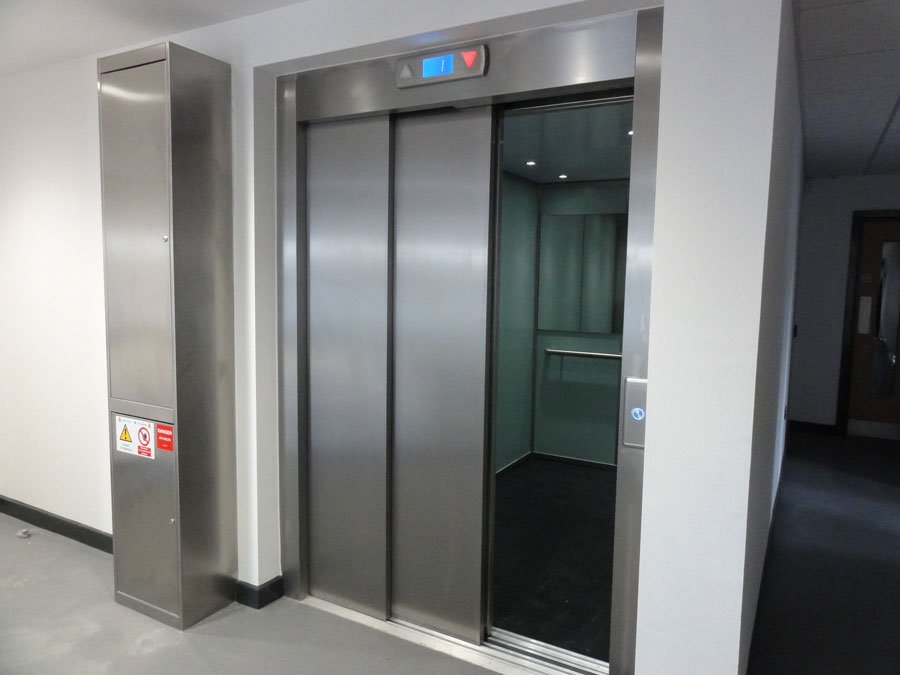

Comprehensive Guide to Lift Installation Work: Process, Safety, and Maintenance
Lift installation is an essential part of modern building infrastructure, providing convenience, accessibility, and safety for people and goods. Whether in residential complexes, commercial buildings, or industrial settings, elevators are engineered systems that require expert installation and ongoing maintenance to function reliably. This guide explores the complete process of lift installation — from design and planning to commissioning and safety compliance.
1. Introduction to Lift Installation
Lift installation work involves the setup of an elevator system designed to transport passengers or freight vertically within a building. The process requires careful engineering, adherence to safety codes, and coordination between architects, engineers, and installation technicians. Modern lifts are sophisticated systems that combine mechanical, electrical, and electronic components to ensure smooth, efficient operation.
Proper lift installation enhances building functionality, improves accessibility, and adds long-term value to property. With advances in automation and smart control systems, lifts have become more energy-efficient, reliable, and user-friendly.
2. Types of Lifts and Their Applications
Understanding the different types of lifts helps determine the right system for your building’s requirements. The selection depends on factors such as building height, usage frequency, weight capacity, and available shaft space.
2.1 Passenger Lifts
Passenger lifts are designed for transporting people across floors. They are commonly used in residential buildings, offices, and hotels. Options range from compact home lifts to high-speed elevators in skyscrapers.
2.2 Freight or Goods Lifts
Freight lifts are built to carry heavy loads such as furniture, machinery, or industrial goods. They are reinforced for higher weight capacities and often installed in warehouses, factories, and service buildings.
2.3 Hospital Lifts
Hospital elevators are larger in size, designed to accommodate stretchers, wheelchairs, and medical equipment. They feature smooth acceleration, safety controls, and easy access for healthcare personnel.
2.4 Home or Residential Lifts
Home lifts are compact systems tailored for private houses or villas. They are ideal for senior citizens or people with mobility issues, providing convenience while occupying minimal space.
2.5 Dumbwaiter Lifts
These small lifts are used for carrying light goods such as food trays or documents between floors. They are often installed in restaurants, hotels, and libraries.
2.6 Hydraulic and Traction Lifts
Hydraulic lifts operate using fluid pressure and are suitable for low-rise buildings. Traction lifts, on the other hand, use ropes and counterweights, ideal for medium to high-rise structures due to their efficiency and speed.
3. Planning the Lift Installation
Lift installation begins with thorough planning and design. Engineers evaluate the building’s structural layout, load-bearing capacity, and utility connections before finalizing specifications.
3.1 Site Survey and Design Assessment
Site assessment ensures that the lift shaft, machine room, and pit meet required standards. Measurements, accessibility, and safety clearances are verified at this stage. Architects collaborate with lift engineers to integrate the system seamlessly into the building design.
3.2 Load and Capacity Calculations
Capacity planning is critical. Passenger lifts usually range from 4 to 20 persons, while freight lifts can carry loads exceeding 2000 kg. The load rating determines motor power, braking system, and cable strength.
3.3 Power and Electrical Requirements
Most lifts require a three-phase power supply. Electrical panels, circuit breakers, and backup systems are designed according to the lift’s power demand. In commercial buildings, dedicated backup generators are often installed for uninterrupted service.
3.4 Compliance and Permits
Lift installations must comply with national and local building codes. Certifications such as ISO, EN, or Bureau of Indian Standards (BIS) ensure the lift’s safety and reliability. Obtaining required permits before installation is essential to avoid legal complications.
4. Major Components of a Lift System
Understanding key components helps you appreciate the complexity of lift installation work. Every part must be installed precisely to ensure safe and smooth operation.
- Lift Shaft: The vertical passage where the lift moves up and down.
- Cabin or Car: The compartment that carries passengers or goods.
- Machine Room: Houses the motor, controller, and drive systems.
- Guide Rails: Keep the lift car and counterweight aligned.
- Counterweight: Balances the lift car to reduce energy consumption.
- Hoist Mechanism: Includes ropes, pulleys, and the drive motor.
- Control Panel: Manages speed, direction, and floor selection.
- Safety Gear: Emergency brakes and buffers to prevent free fall.
- Doors and Sensors: Ensure user safety and smooth operation.
5. Step-by-Step Lift Installation Process
The installation process involves several technical stages, each requiring skilled personnel and precision tools.
5.1 Site Preparation
Before installation begins, the shaft and pit are cleaned and prepared. Electrical and mechanical utilities are checked for compliance with lift design specifications.
5.2 Installation of Guide Rails
Guide rails are mounted along the shaft walls using anchor bolts. Their alignment is critical; even minor deviations can affect ride comfort and safety.
5.3 Mounting the Machine Unit
The machine, motor, and drive system are installed either above the shaft (for traction lifts) or beside it (for machine-room-less models). Proper vibration dampers are used to reduce noise transmission.
5.4 Cab and Counterweight Installation
The lift car and counterweight are assembled and connected with hoist ropes. The balancing system is tested for smooth movement under load conditions.
5.5 Electrical Wiring and Control System Setup
Electricians install power cables, control panels, and signal systems. Wiring must follow international standards to prevent interference or short circuits. Modern lifts feature programmable logic controllers (PLCs) for automated operation.
5.6 Door Mechanism Installation
Automatic doors and sensors are installed on each floor. They synchronize with the cabin doors to open and close precisely when the lift arrives, ensuring passenger safety.
5.7 Testing and Commissioning
Once all components are in place, the lift undergoes multiple tests, including load tests, brake checks, and emergency power operation. The system is then certified by authorized inspectors before being put into use.
6. Safety Standards and Regulations
Lift installation work must comply with strict safety codes to protect passengers and technicians. Some key standards include:
- Emergency Braking System: Prevents uncontrolled descent in case of cable failure.
- Overload Sensors: Alert users if the lift is carrying excess weight.
- Fire Safety: Fire-rated doors and automatic recall to ground floor during emergencies.
- Alarm and Intercom Systems: Enable communication in case of breakdowns.
- Inspection and Certification: Periodic audits ensure compliance with national elevator safety laws.
7. Modern Innovations in Lift Technology
Elevator technology continues to evolve with features that improve efficiency, comfort, and sustainability.
- Machine-Room-Less (MRL) Lifts: Compact design without a separate machine room, ideal for space-saving installations.
- Regenerative Drives: Convert kinetic energy into reusable electrical power, reducing energy consumption.
- Smart Control Systems: Enable destination-based dispatching and remote diagnostics.
- IoT and Predictive Maintenance: Sensors monitor lift performance and detect potential faults before they occur.
- Touchless and Voice Controls: Provide hygienic and accessible user interfaces, especially post-pandemic.
8. Cost and Budgeting Considerations
The total cost of lift installation depends on lift type, capacity, technology, and building requirements. Here’s a general breakdown:
- Residential Home Lift: $8,000 – $20,000 (hydraulic or traction system)
- Commercial Passenger Lift: $25,000 – $50,000
- Freight/Industrial Lift: $40,000 – $80,000+
Additional expenses include civil work, shaft construction, electrical setup, permits, and annual maintenance contracts. Investing in quality components may increase upfront costs but ensures long-term reliability and lower service expenses.
9. Common Challenges During Lift Installation
Even with professional planning, challenges can arise during lift installation. Common issues include:
- Limited shaft space or structural constraints.
- Delays in obtaining permits or safety certifications.
- Electrical supply inconsistencies in older buildings.
- Coordination gaps between civil and installation teams.
- Environmental factors such as dust or humidity affecting equipment.
Addressing these issues early during planning ensures a smoother installation and operational reliability.
10. Professional Installation vs DIY Approach
Unlike simple home appliances, lift systems are complex and potentially hazardous if installed incorrectly. Professional installers are certified, trained, and follow safety regulations, ensuring compliance and operational safety. DIY installation is not recommended for elevators due to the associated risk and regulatory requirements.
| Aspect | DIY Installation | Professional Installation |
|---|---|---|
| Cost | Lower, but not permitted for certified systems | Higher, includes expertise and safety compliance |
| Complexity | Unsuitable for non-experts | Managed by licensed technicians |
| Safety | High risk | Compliant and insured |
| Maintenance | No official support | Includes warranty and periodic service |
11. Maintenance and Inspection
Once installed, lifts require routine maintenance to ensure smooth and safe operation. Preventive maintenance schedules typically include weekly, monthly, and annual inspections.
11.1 Regular Maintenance Tasks
- Checking motor oil levels and lubrication points.
- Inspecting cables, pulleys, and safety brakes.
- Testing emergency alarms and lighting.
- Cleaning door sensors and floor panels.
11.2 Annual Certification
Most jurisdictions require an annual inspection and certification by a licensed elevator inspector. Failure to comply can result in penalties and service suspension.
11.3 Modern Maintenance Practices
Remote monitoring systems use sensors to report performance data in real time. This predictive maintenance approach reduces downtime and extends equipment lifespan.
12. Environmental and Energy Efficiency
Modern lifts are designed to consume less power and reduce environmental impact. LED lighting, standby modes, and regenerative braking systems contribute to energy savings. Using eco-friendly hydraulic fluids and recyclable materials also supports sustainability goals in green building projects.
13. Safety Tips for Lift Users
Safe usage practices are as important as proper installation. Some key guidelines include:
- Never overload the lift beyond its rated capacity.
- Stand clear of closing doors and avoid blocking sensors.
- In case of power failure, remain calm and wait for assistance.
- Do not attempt to exit a stalled lift without help from trained personnel.
14. Future of Lift Installation
The future of lift technology lies in smart automation, enhanced energy recovery systems, and improved accessibility. Integration with building management systems (BMS) allows centralized monitoring and energy optimization. Artificial intelligence is also being integrated to predict traffic flow and improve lift dispatching efficiency in high-rise buildings.
With continuous innovation, lift installation work will become more efficient, safer, and more environmentally responsible in the coming years.
15. Conclusion
Lift installation is a complex but vital engineering process that enhances mobility, accessibility, and convenience across all types of buildings. From planning and component selection to final testing and certification, every step demands precision and adherence to safety standards.
Whether it’s a compact home elevator or a high-capacity commercial system, a professionally installed lift adds value, improves functionality, and ensures long-term reliability. With the right planning, compliance, and maintenance, lift systems can operate efficiently for decades, serving as a reliable part of modern infrastructure.
Disclaimer: This article is for informational purposes only. Always follow local regulations and consult certified lift installation professionals for safe and compliant setup.
© 2025 Lift Installation Insights. All rights reserved.


